
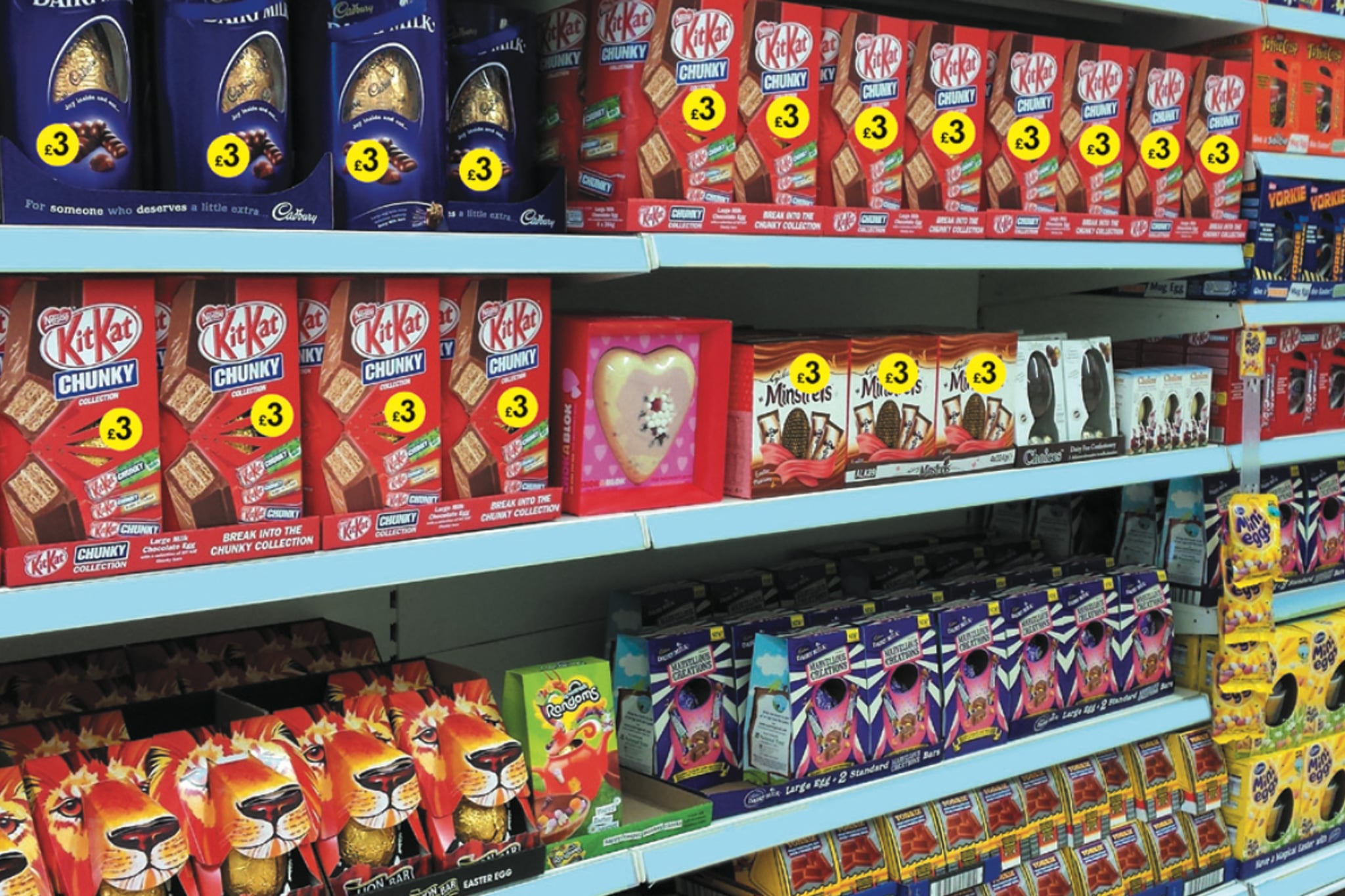
Labelling products clearly is one of those small retail tasks that can make a big difference to how easy it is for customers to shop. Whether you run an independent shop, market stall, charity shop or small retail business, customers need to be able to see what an item is, how much it costs and whether it is part of a promotion.
The right labels also make things easier behind the scenes. Clear pricing helps staff manage stock, reduces confusion at the till and makes it easier to update products when prices change. There is no single labelling method that suits every type of product, so the best approach depends on what you sell, how often your prices change and how your products are displayed.
What information should go on a product label?
For many retail products, the most important piece of information is the price. Customers should be able to find it quickly without having to ask a member of staff.
Some products may also need extra information, such as a product code, size, colour or stock reference. The amount of information you include will depend on the item itself and the space available.
For simple retail pricing, a small sticker may be all that is needed. If you sell products where prices change regularly, blank price stickers can be a practical option because you can write the required price onto each label as stock is prepared.
What is the easiest way to price products in a shop?
One of the simplest methods is to use self-adhesive price labels. These can be applied directly to suitable products or packaging, giving customers an immediate indication of the cost.
Pre-printed price stickers are useful where the same prices appear regularly across your stock. Blank labels offer more flexibility because each sticker can be completed individually.
The right choice depends on the way your shop operates. A retailer with fixed product prices may prefer pre-printed labels, while businesses that regularly receive one-off items or changing stock may find handwritten labels more useful.

When should you use blank price labels?
Blank price labels work particularly well when prices vary from one item to the next.
They can be useful in charity shops, gift shops, market stalls, independent retailers and other businesses where new stock is frequently added. Rather than ordering a different printed sticker for every price point, the same pack of blank labels can be used across a variety of products.
They are also useful if you need to make quick pricing changes. Staff can simply write the new price onto a fresh label and apply it to the item.
How should you label discounted products?
Discounted items need to stand out from standard stock. If a customer cannot immediately see that a product has been reduced, the promotion is less likely to attract attention.
Dedicated sale stickers can make promotions clearer by separating reduced products from full-price items. Depending on the promotion, you might use reduced stickers, clearance labels, Was/Now stickers or other sale messaging.
Consistency is useful here. Using the same label style throughout a particular promotion makes it easier for customers to recognise which products are included.
Should price stickers be removable?
Removable labels are useful when the sticker is only needed temporarily. For example, a customer buying an item as a gift may want to remove the price before giving it to someone else.
They can also be useful when products are regularly repriced. A removable label can make it easier to update the item without leaving an unnecessary sticker behind.
However, the product’s surface should always be considered. Delicate, textured, or unusual materials may require a different labelling method, so it is sensible to consider how the sticker will be applied before choosing a label.

Can colour help organise products?
Colour can be useful for more than simply attracting attention.
Different-coloured labels can help staff and customers distinguish between product groups, promotions, or different types of stock. For example, one colour might be used for clearance items while another identifies a temporary offer.
This can be particularly helpful in busy retail environments where staff need to recognise products quickly. A consistent system also makes displays look more organised.
What about clothing, jewellery and delicate products?
Some products are not well-suited to having a standard adhesive label placed directly onto them.
Clothing, jewellery and other delicate items may be better suited to labels attached to packaging, cards or tags rather than the product itself. Swing tags can provide space for a price while avoiding the need to place an adhesive sticker directly onto the item.
The goal is to make the price easy to find without affecting the product’s appearance or condition.
Make product labelling part of your retail routine
A clear labelling system makes it easier to prepare stock, update prices and run promotions without creating unnecessary confusion for customers or staff. Think about the type of products you sell, how often prices change and whether the label needs to be permanent or removable before choosing the right option. At Price Stickers, you can find a wide range of price labels, blank stickers, sale stickers and retail labelling products to help keep your stock clearly priced and ready for sale.